San Francisco web design and development, from one team
Before a buyer, an investor or a job candidate talks to your company, they read your website. That visit is what web design in San Francisco has to get right. We design and build custom sites for startups, professional firms, hospitality businesses and neighborhood shops, with the copy structure, speed and search setup handled by the same team. Every page is tested with Lighthouse on mobile, and we aim for 95 or higher before launch.
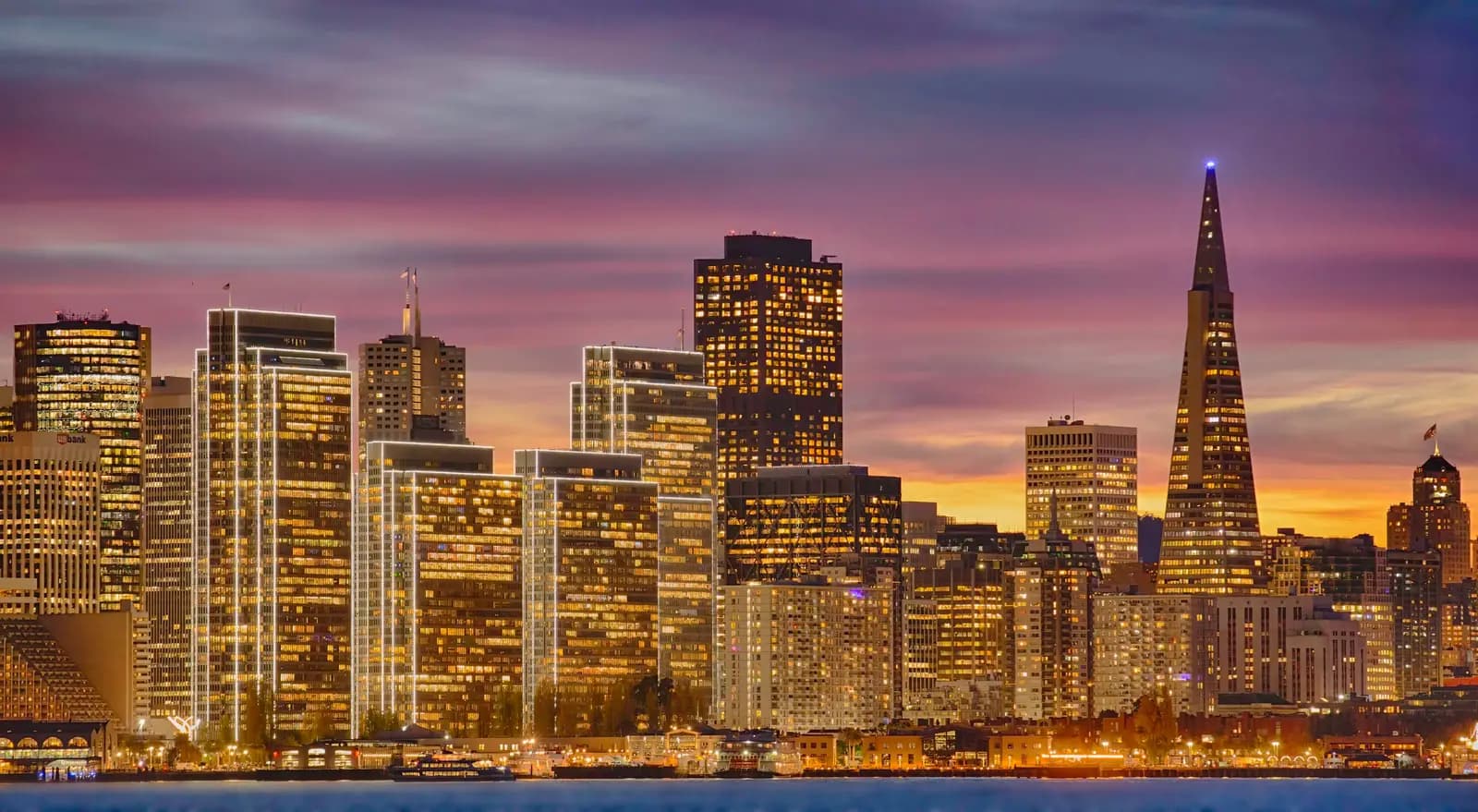
Web design for San Francisco startups and SaaS companies
A SaaS marketing site serves several audiences at once: buyers comparing features, engineers looking for docs, investors checking progress and candidates reading the careers page. We plan the structure around those paths before any visual design starts, so each visitor reaches the right page quickly and the homepage does not have to say everything.
Your marketing team should be able to publish a pricing change or a new case study without filing a ticket with engineering. We connect a content editor for the pages that change often and keep the layout in code, so an edit cannot break the design. Engineers stay on the product, and the site stays current.
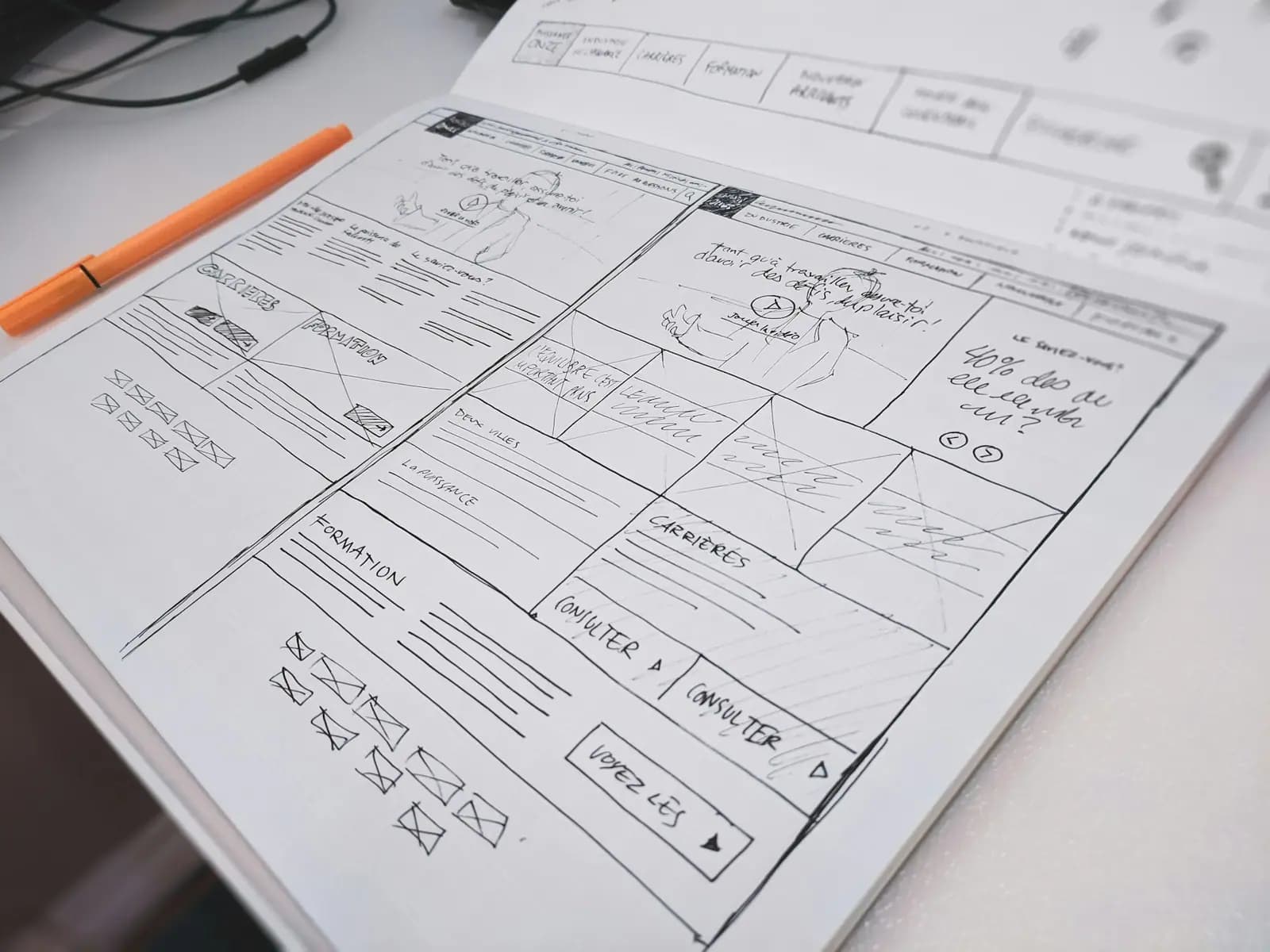
Sites for firms, hotels and neighborhood businesses
A law firm, an accounting practice or a wealth manager is judged on trust before anyone picks up the phone. For them we design calm, readable pages with clear service areas, real team bios and contact forms that ask only for what the firm needs. Nothing on the page should give a cautious client a reason to hesitate.
Hotels and restaurants, and the shops along neighborhood commercial corridors, need different things: hours that are always right, menus that load on a phone, directions, booking links and photos that match the place. Because competition in San Francisco's local results is intense, we also add the structured data and location details that help Google understand where you are and what you offer.
From kickoff to launch
Scope, price and timeline are agreed in writing before any work starts. The kickoff runs on a video call, or in person in San Francisco for larger projects, and the rest happens remotely in the tools you already use. Every week you get a link to the site as it stands, so feedback arrives while changes are still easy to make.
Before launch we check every page against WCAG AA, connect analytics and walk your team through editing content. The code, the domain and the hosting accounts belong to your company, and a care plan afterward is optional.
Web design for companies that sell beyond the city
Most San Francisco companies sell far beyond the city, so their site has to rank and convert for buyers who will never visit. That means pages built around the problems you solve, comparison and pricing pages that answer what buyers ask, and structured data that helps search engines and AI assistants describe you correctly.
We set up the search foundations during the build and can continue with SEO for San Francisco companies afterward, so the team that built the templates is the one improving them. Our article on website speed covers the performance targets we build to.
What's included in website design & development for San Francisco businesses
- Discovery and sitemapWe map what the site needs to do, who it serves and how the pages connect before anyone opens a design tool.
- UX and visual designWireframes first, then a design system: type, color, layout and components that hold together on every page.
- Custom buildClean code you own outright, built with proven, widely used tools. No page builders, no plugin sprawl.
- Content and SEO setupMetadata, structured data, sitemaps and copy support on every page, so the site is ready to rank on launch day.
- Performance and accessibility QALighthouse 95 or higher on mobile and WCAG AA checks before anything goes live.
- Launch and handoffDomain, hosting, analytics and a walkthrough of how to update the site yourself.
What you get at each stage of a San Francisco web project
Structure first
A sitemap and page outlines for each audience: buyers, engineers, investors and candidates.
Design in the browser
Pages are designed and built on a live preview link and reviewed weekly in the tools you already use.
Editing your team controls
A content editor for the pages that change often, with layouts kept in code so an edit cannot break the design.
Speed, accessibility and SEO checks
Lighthouse on mobile, WCAG AA checks, metadata, structured data and redirects, all before launch.
Handover in your accounts
Code in your repository, hosting and domain in your accounts, and a walkthrough for your team.
Website projects San Francisco businesses ask about
- A product marketing site with pricing, docs links and a changelog
- A rebuild of a slow site the marketing team cannot update
- A careers section candidates can browse on a phone
- A site for a firm with practice area and team pages
- A restaurant or shop website with hours, menus and directions
Website Design & Development in San Francisco: common questions
How do you protect our search traffic during a redesign?
We treat it as part of the build. Every old URL is mapped to a new one with a redirect, titles and structured data carry over, and after launch we watch Search Console for crawl errors and fix what shows up.
Our engineers want the website in our own repository. Is that fine?
Yes. We can build in your GitHub organization from day one, follow your pull request process and leave notes your engineers can pick up later. If you have no engineers yet, the repository is still registered to your company, not to us.
Do you write the copy too?
We help with it on every page: structure, headings and edits so each page answers what its visitors came to find. You supply the facts about your product or firm, since nobody knows them better, and we shape them into pages that read clearly.
Do you build sites for companies outside the city?
Yes. Companies across the Bay Area, from Oakland and Berkeley to Palo Alto, San Jose and Daly City, can hire us on the same terms, and we also work with businesses across the US. Most kickoffs happen on a video call, and for larger projects we can schedule an in-person meeting.